Cobra Golf Clubs Review
The permanent value pick of big-brand golf: real engineering, genuine tour presence, and street prices that sit reliably below the two names everyone lists first. The discount buys you weaker resale and less badge glow at the first tee — costs that touch your ego and your exit price, never your ball flight.
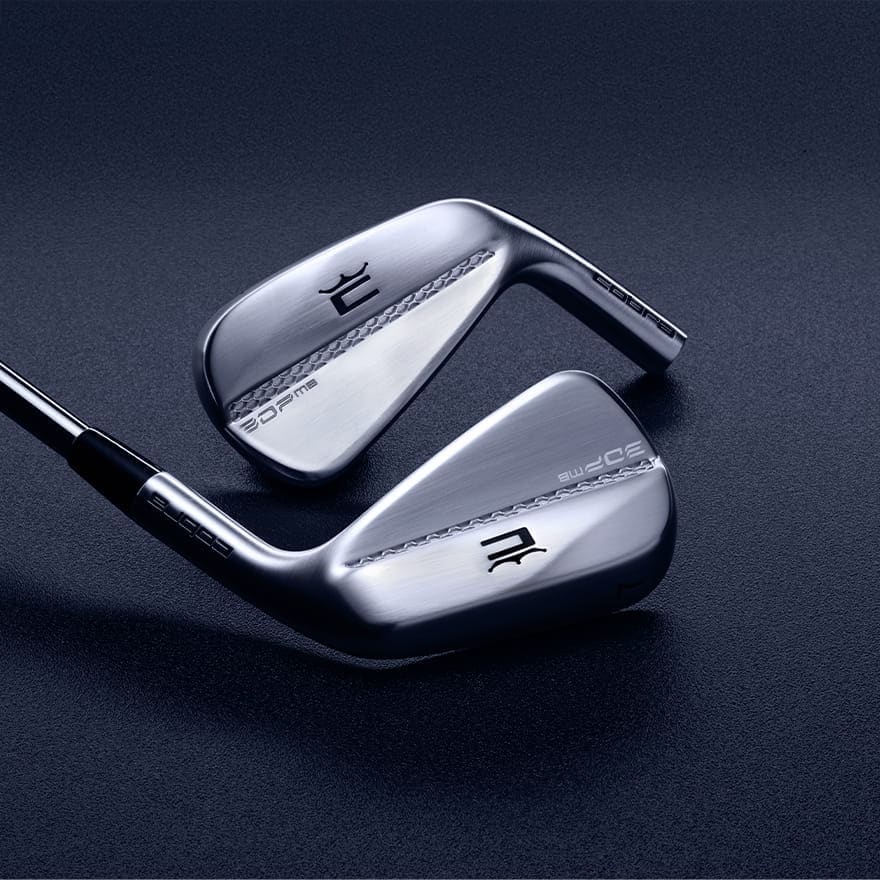
- Type
- Full-line golf brand — drivers, irons, wedges, hybrids
- Positioning
- Big-brand performance, value-tier pricing
- Best entry
- Previous-season models at clearance pricing
Reasons to buy
- Big-brand R&D and tour validation at consistently friendlier pricing
- Adjustable hosels across much of the range make one head fit several swings
- The one-length iron experiment is a real option here, not a gimmick aisle
- Frequent aggressive deals on last season's line — the smart shopper's entry point
Reasons to avoid
- Resale values trail the two prestige names by a margin the buyer eventually meets
- Less shelf and fitting-cart presence at some shops than the market leaders
- The lineup renames itself often enough to make year-to-year comparison a chore
- None of the country-club badge equity, if that's a thing you're buying
Golf equipment has a strange pricing physics: the difference between what the famous drivers cost and what they do shrinks every year, while the difference in what they signal only grows. Cobra has built a durable business in that gap. It is unambiguously a major brand — real engineering budget, real tour players, product on the same walls as the giants — that has simply never been able to charge like one, and the entire buying case flows from that single fact.
The hardware holds up its end, and this is the part worth slowing down for. Cobra's drivers have spent years trading blows with the market leaders in independent testing and robot comparisons, close enough that the differences disappear inside a normal human's swing-to-swing variance — which is a polite way of saying the weekend player cannot buy a measurable gap here, only a felt one. The irons run from genuinely forgiving game-improvement shapes to compact players' heads, and the brand's long-running one-length experiment — every iron built to the same length so every swing feels like the same swing — remains the rare big-brand product that's actually a different idea rather than a new paint job. Adjustable hosels across the range mean a fitting can move you before your wallet does.
So where does the discount come from? Mostly from things that never touch the golf ball. Cobra carries less prestige weight than the two names your foursome mentions first, which matters at trade-in time: resale values trail the leaders noticeably, so the cheaper club going in is also the cheaper club coming out. Retail presence is thinner in some markets — fewer fitting carts, fewer demo days — which makes trying before buying take slightly more initiative. And the lineup's habit of renaming itself each cycle turns year-over-year research into archaeology.
The buying strategy writes itself once you see the pattern. Cobra discounts last season's line early and hard, and since each season's improvement over the last is measured in marketing decibels rather than yards, the previous model at clearance is quietly one of the best equipment buys in golf. Who should shop here: value-minded players, improvers who want fitting flexibility, anyone whose ego doesn't need the badge subsidy. Who shouldn't: golfers who resell often and ride the yearly upgrade cycle — the resale gap taxes exactly that behaviour.
One structural feature of this market makes value-brand shopping better than it sounds, and it applies whichever badge you end up buying. Club ranges are refreshed on a roughly annual cycle whether or not the underlying technology moved much, which means last season's model — the one that was the flagship a few months ago — drops sharply in price the moment its replacement is announced. The performance difference across a single generation is small enough that most players could not identify it blindfolded. Shopping deliberately one cycle behind is the cheapest real upgrade available in golf, and it costs nothing but patience.
The rating lands high because the trade is so clean. What you give up is social and financial at the margins; what you keep is essentially all of the performance for meaningfully less money. In a hobby where the premium tier increasingly sells identity, a brand that just sells golf clubs is worth rating up on principle — and worth shopping first, before the badge aisle gets a vote.
How we tested
The Cobra Golf Clubs was scored against the same written rubric we apply to every Golf product — real-world performance, build quality, ease of use, upkeep and value. Full protocol on our How We Test page.