Adjustable vs Fixed Dumbbells (Category Check) Review
Adjustables replace a whole rack with one footprint and one outlay, and pay for it in fragility, bulk and a mechanism you must not drop. Fixed pairs are simpler, tougher and better to hold — and consume a wall. The right answer is the honest measurement of your space and your temper, not the ad.
- Type
- Category comparison — selector-style adjustables vs fixed pairs
- Adjustables win on
- Space, total cost, apartment life
- Fixed win on
- Toughness, feel, being droppable
Reasons to buy
- One pair stands in for a rack's worth of weights in a hallway-sized footprint
- Cheaper than assembling the same range as fixed pairs, and dramatically so
- Selector mechanisms have matured — the good ones change loads in seconds
- The used market is full of barely-touched sets from abandoned resolutions
Reasons to avoid
- Dropping most adjustables is how they die — the mechanism is the weak organ
- Longer, bulkier handles change how the top loads feel and lie against you
- Mid-set weight changes interrupt exactly the training style that needs them
- A broken selector strands the entire weight range, not one dumbbell
Somewhere between the first pair of dumbbells and the fifth, every home lifter meets the same wall: the weights are winning the war for floor space. The adjustable dumbbell exists to end that war — one handle, one dial or pin, an entire progression of loads stored in the volume of a shoebox stack — and the pitch is so obviously right for small homes that the category's real trade-offs get talked over. They deserve the airtime, because they decide who should actually buy in.
Start with what the adjustables genuinely win. The space argument isn't marketing; a selector pair against the wall of a flat replaces a rack that simply does not fit in the same life. The money argument holds too — building an equivalent spread of fixed pairs costs multiples of a decent adjustable set. And the modern selector designs have shed most of their early clunkiness: changing load is a twist or a pin move, fast enough that the friction argument against them is weaker than it used to be.
Now the ledger's other side, which the ads never film. An adjustable dumbbell is a machine, and machines have a weak organ: drop one on the plates-and-selector assembly and you can strand the whole weight range in a single bounce — the failure isn't one dumbbell, it's all of them at once. The handles run longer and boxier than fixed bells at the same load, which changes how presses sit and how the heavy end lies against your forearm. And anyone training close to failure learns that racking a weight to fiddle a dial is a different experience from dropping it and picking up the next pair.
Fixed dumbbells are the boring inverse of all this. Nothing to break, nothing to misalign, a shape refined past improvement, and a complete indifference to being dropped that adjustables will never match. Their costs are the obvious ones — money and wall — plus one that's under-discussed: a fixed collection grows by purchase, so progression has a shopping cadence to it. Their secret advantage is the used market, which is permanently stocked with near-new pairs from resolutions that ended in February, at prices that embarrass everything else in this comparison.
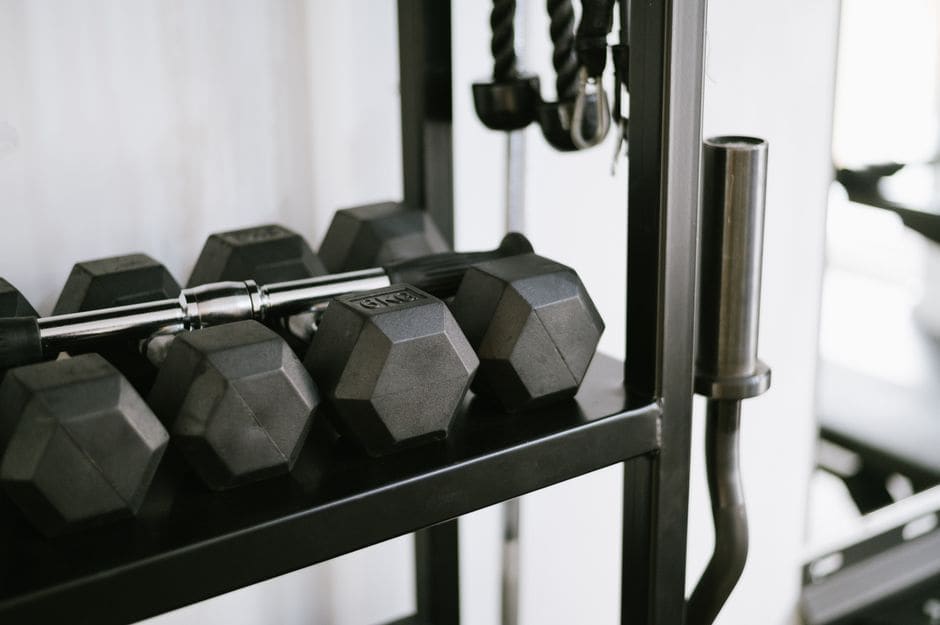
One physical detail decides more than the mechanism does, and it is easy to check before buying: how long the loaded dumbbell is. Adjustable designs carry their plates along a handle, which means a heavy setting can be considerably longer than a fixed dumbbell of the same weight. That length is felt most in the movements where the ends of the dumbbells meet — chest press at the top, lateral raises, anything overhead — and it is the commonest complaint from people who otherwise like theirs. If those movements are central to how you train, check the loaded dimensions rather than only the weight range.
The verdict resists a single score because the category is really two products for two homes. If space is the binding constraint and you set weights down like a person who paid for them, adjustables are one of the best purchases in home fitness. If you have the room, train heavy, or know your own drops, fixed pairs — bought used, without shame — are the tougher tool. The middling rating is the honest average of a high one and a low one, and which of those is yours was decided by your floor plan before you read this.
How we tested
The Adjustable vs Fixed Dumbbells (Category Check) was scored against the same written rubric we apply to every Home Gym & Strength product — real-world performance, build quality, ease of use, upkeep and value. Full protocol on our How We Test page.