Buying Gym Equipment Used: What Survives and What Doesn't Review
Iron does not wear out, which makes strength equipment one of the best used markets there is. Anything with a motor, a screen or a subscription is the opposite — and the January-to-March window is when the good stuff appears at the worst prices for sellers.

- Type
- Category guide — buying used fitness equipment
- Buy used
- Plates, dumbbells, kettlebells, racks, benches, flooring
- Be careful
- Treadmills, anything with a screen or a required subscription
Reasons to buy
- Plates, bars and racks are essentially indestructible and sell far below new
- Abandoned home gyms flood the market seasonally and predictably
- Inspection is easy on the items worth buying — you can see everything that matters
Reasons to avoid
- Motorised and screen-based equipment carries hidden wear and dead-subscription risk
- Upholstery and foam degrade in ways photographs hide
- Collection is on you, and iron is heavier than people plan for
- Cheap bars can be bent or badly knurled in ways that only show under load
There is a reason strength equipment holds its value so stubbornly and yet sells so cheaply secondhand: it does not wear out, and the people selling it are usually not selling because it failed. A cast-iron plate that has been dropped a thousand times is a cast-iron plate. A rack that has held a loaded bar for a decade is structurally what it was on day one. The used market in this category is not a compromise — for several items it is simply the correct place to buy.
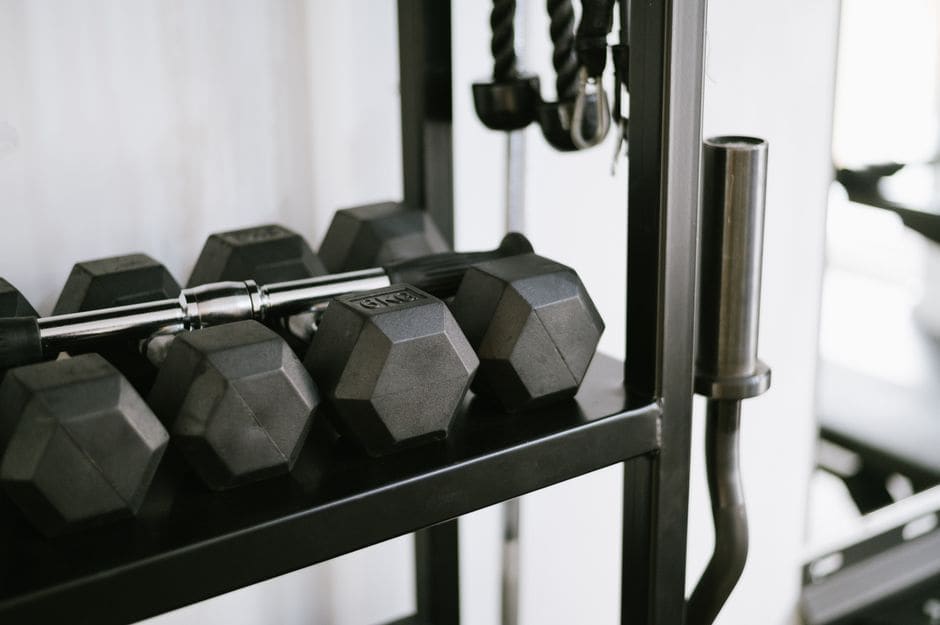
The green list is generous. Plates, dumbbells and kettlebells are effectively indestructible and can be judged entirely from a photograph plus a look for cracks. Racks and stands need a check for bent uprights and complete hardware, both visible. Benches want a look at the pad and the adjustment mechanism. Rubber flooring is fine used unless it has been stored damp. Between them, that list covers almost everything a serious home gym needs, at a fraction of new prices, and every item on it will outlive the transaction by decades.
The bar is the one item on the green list that rewards care, because bars vary and faults hide. Roll it on a flat surface and watch the ends — a bend shows immediately. Check that the sleeves spin freely, since seized sleeves put rotational force into your wrists on every clean. Look at the knurling for rust pitting rather than surface rust, which cleans off. A good used bar is one of the best purchases in this article; a cheap bent one is a purchase you will resent every session and cannot fix.
The caution list is short and consistent: anything with a motor, a screen, or a subscription attached. Treadmill motors and belts wear, and the wear is invisible until it is not. Screen-based equipment carries a second risk that has nothing to do with mechanics — the platform behind it can change its pricing, lock features behind an account, or shut down entirely, at which point an expensive machine becomes a worse version of a non-connected one. If you buy connected equipment used, find out first what it does with no subscription at all, because that is the machine you may end up owning.
Upholstery deserves its own warning because photographs flatter it. Foam compresses and does not recover, vinyl splits along stitch lines, and a bench pad that has gone soft in the middle is genuinely unpleasant to press on and awkward to replace. Press it with your hand before buying rather than looking at it. This is also the reason a slightly older commercial-grade bench often beats a newer domestic one — the padding was built for a rougher life.
Two practical notes on the buying itself. Timing: the market floods in the first months of the year, when resolutions expire and rooms get reclaimed, and again whenever people move house — that is when complete setups appear at prices that reflect the seller's need to be rid of them rather than the equipment's worth. And logistics: iron is heavier than anyone plans for, so agree how you are collecting before you agree a price, bring somebody, and remember that a rack that came apart to enter the seller's house has to come apart again to leave it.
How we tested
The Buying Gym Equipment Used: What Survives and What Doesn't was scored against the same written rubric we apply to every Home Gym & Strength product — real-world performance, build quality, ease of use, upkeep and value. Full protocol on our How We Test page.