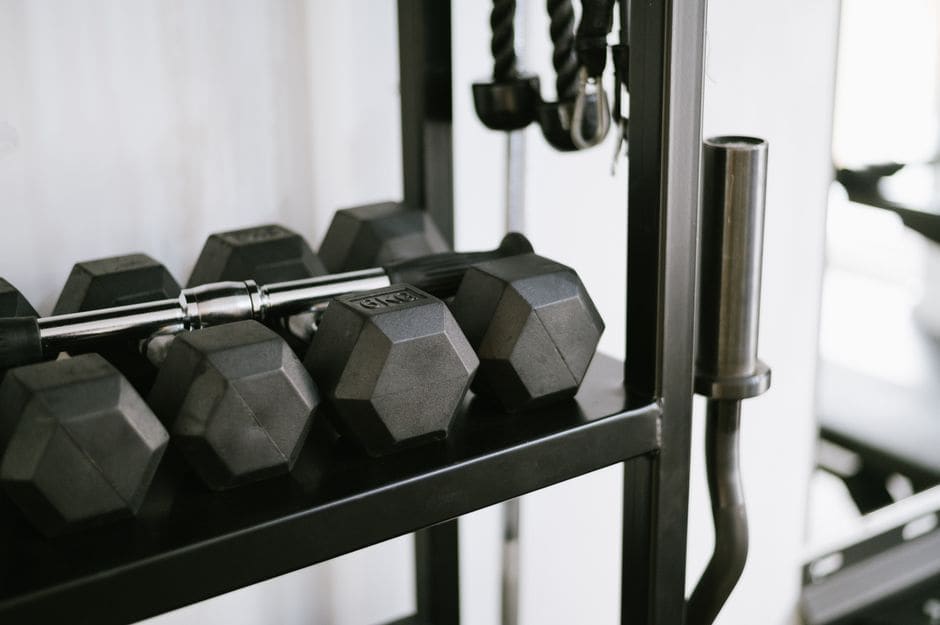
Home Gym Flooring (What Actually Matters) Review
The least glamorous purchase in the home gym is the one that decides whether the rest of it survives. Dense rubber under anything heavy, foam only where nothing is dropped, and the farm-supply aisle quietly beating the fitness aisle on price — get the floor right and every later purchase gets easier.
- Type
- Category guide — rubber mats, tiles and foam flooring
- Rule of thumb
- Rubber where weight lands, foam where bodies do
- Best-value source
- Farm and tractor supply stores, not the fitness aisle
Reasons to buy
- Protects the slab, the equipment and the peace with the downstairs neighbours all at once
- Horse-stall mats from farm stores deliver gym-grade rubber without the fitness markup
- A solved problem — no moving parts, nothing to break, nothing to update
- Done once, it outlasts every machine you'll ever put on it
Reasons to avoid
- Dense rubber is brutally heavy to transport and wrestle into place
- Fresh rubber smells like a tyre shop until it airs out — plan for it
- Foam puzzle tiles are sold for jobs they cannot do; racks and dumbbells dent them permanently
- Seams and edges creep on smooth concrete unless you tape or frame them
A home gym is built from the floor up, and almost everyone builds it in the wrong order — machine first, dumbbells second, and then a hasty search for something to put under it all once the first plate meets bare concrete. The floor deserves to be the first purchase because it's the one doing three jobs at once: it protects the slab from the iron, the iron from the slab, and the household from the noise that travels through both. Nothing else in the room works properly until it does.
The material question sorts itself quickly once you match it to what actually lands on it. Dense rubber — mats or heavy interlocking tiles — is the only correct answer under racks, benches and anything that gets set down hard; it spreads the load, deadens the sound, and shrugs off decades of abuse. Foam puzzle tiles are the category's great mis-sold product: genuinely pleasant under yoga, stretching and bodyweight work, and permanently dented by the first bench you stand on them. The mistake isn't buying foam; it's believing the box art that shows a loaded barbell parked on it.
Here is the category's worst-kept secret, and it still surprises people: the best value in gym rubber isn't sold as gym rubber. Horse-stall mats from farm and tractor supply stores are the same dense material the branded fitness tiles are cut from, sold by people who price it for barns rather than for New Year's resolutions. The trade-offs are real but small — they arrive heavy enough to be a two-person argument, and fresh rubber off-gasses a tyre-shop smell that takes a wash and some airing to fade. Both problems solve themselves; the price gap doesn't.
Installation is where the small print lives. On smooth concrete, unsecured mats walk — seams open, corners lift, and edges become toe-catchers — so tape the joins or frame the perimeter and be done with it. Ground-floor concrete can sweat underneath solid rubber, which is worth a moisture check before you entomb the slab. And measure honestly: the platform where the barbell lives needs the serious rubber, while the corner where you stretch does not, and mixing materials by zone is not cheating, it's the whole idea.
Two things worth knowing before the first roll goes down, both learned the hard way by people who did not. New rubber flooring smells, sometimes strongly, for the first few weeks — it fades, but a windowless basement will hold it far longer than a garage with the door open, so unroll it and air it before you commit the room to it. And rubber can mark what is underneath it: on some finished floors and light-coloured vinyl, the mats can leave a stain that does not come out. If the surface underneath matters, a barrier layer of cheap underlay is the insurance.
The rating reflects a rare thing in fitness retail: a purchase with no hype cycle, no upgrade treadmill and no regret pattern beyond people who under-bought thickness to save money they then spent on the slab repair. Buy denser than feels necessary, buy it from the farm aisle, lay it in zones that match how you actually train, and it will still be there — silent, flat, ignored — long after the equipment fashions above it have turned over twice.
How we tested
The Home Gym Flooring (What Actually Matters) was scored against the same written rubric we apply to every Home Gym & Strength product — real-world performance, build quality, ease of use, upkeep and value. Full protocol on our How We Test page.